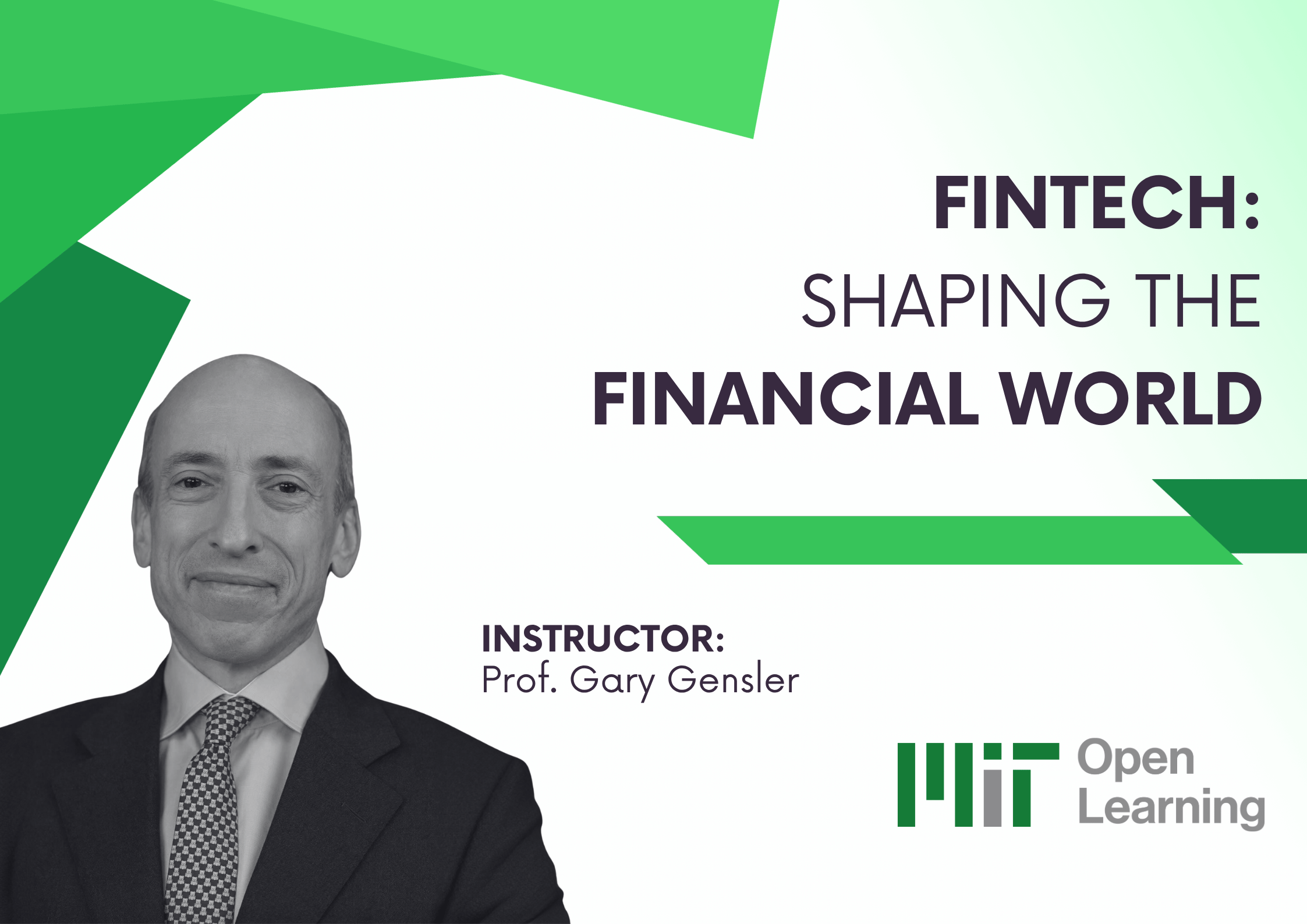
FinTech: Shaping the Financial World
 Indefinite Period
 Enroll Now

Who want to analyze the impact of emerging technologies on the financial sector on a global scale through artificial intelligence and blockchain.
Introduction to FinTech: Shaping the Financial World
-
Course Description
Course Schedule
-
Curriculum
Course Videos
-
Class 1: Intro & Key Technological Trends
-
Class 2: Artificial Intelligence and Machine Learning
-
Class 3: Artificial Intelligence in Finance
-
Class 4: Open API & Marketing Channels
-
Class 5: Blockchain Technology & Cryptocurrencies
-
Class 6: Payments
-
Class 7: Credit & Lending
-
Class 8: Challenger Banks
-
Class 9: Trading & Capital Markets
-
Class 10: Insurance
-
Class 11: Coronavirus Crisis & Finance
-
Class 12: Conclusion
About This Course
The course “FinTech – Shaping the Future of Finance” is designed for students seeking to understand the transformative impact of emerging technologies on the financial sector. Throughout the course, radical changes in business models, financial products, applications, and user interfaces will be examined in depth.
The curriculum explores key technological trends that have shaped financial services in the 2020s, including artificial intelligence, deep learning, blockchain technology, and open APIs. Participants will focus on four major opportunity areas payments, lending, trading, and risk management to gain insight into innovative applications across these domains.
In addition, the course analyzes the strategic dynamics and competitive landscape among FinTech startups, major financial institutions, and big technology companies in the United States, China, India, and Europe, offering participants a comprehensive perspective on the global FinTech ecosystem.
By the end of the course, students will have developed a strong understanding of the core technologies, market structure, key sector players, and regulatory frameworks that shape the FinTech landscape. This knowledge will enable them to better grasp the technological transformation of the financial industry and to develop effective strategies within this rapidly evolving field.
Prerequisites
There are no prerequisites for this course.
Instructor
Prof. Gary Gensler is an American academic, public official, and financial expert. Since 2021, he has served as the Chair of the U.S. Securities and Exchange Commission (SEC).
Previously, he served as Chair of the U.S. Commodity Futures Trading Commission (CFTC). He is also a professor at the MIT Sloan School of Management, where he teaches courses on blockchain, digital currencies (cryptocurrencies), and financial technologies (FinTech).
Gensler is widely recognized as one of the leading experts on crypto assets and blockchain technologies. During his tenure as SEC Chair, he has become known for his efforts to develop new regulatory frameworks aimed at enhancing transparency in financial markets and protecting investors.
-
 İş Modeli ve FinansallarKişisel GelişimBİGG Vadi girişimcilerine özel bu eğitimde, iş modeli ve finansal projeksiyon hazırlamayı öğreneceksiniz.
 726
726
 312
312
-
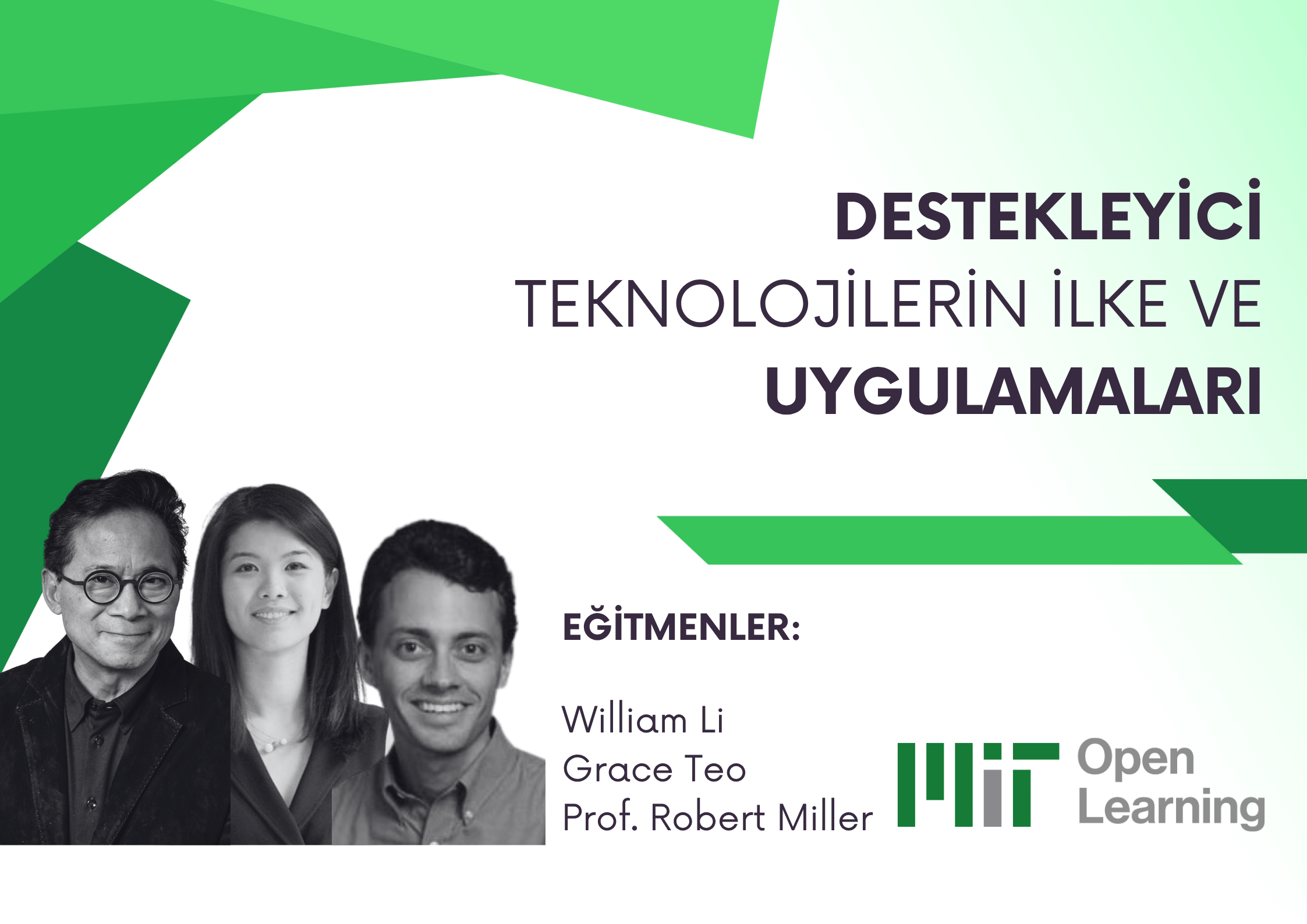 Destekleyici Teknolojilerin İlke ve Uyg...Kişisel GelişimMIT’nin bu dersi, Destekleyici Teknolojilerin Uygulamalara yönelik çözümler üretmek için tasarım odaklı ekip projeleriyl...
726
312
Destekleyici Teknolojilerin İlke ve Uyg...Kişisel GelişimMIT’nin bu dersi, Destekleyici Teknolojilerin Uygulamalara yönelik çözümler üretmek için tasarım odaklı ekip projeleriyl...
726
312
-
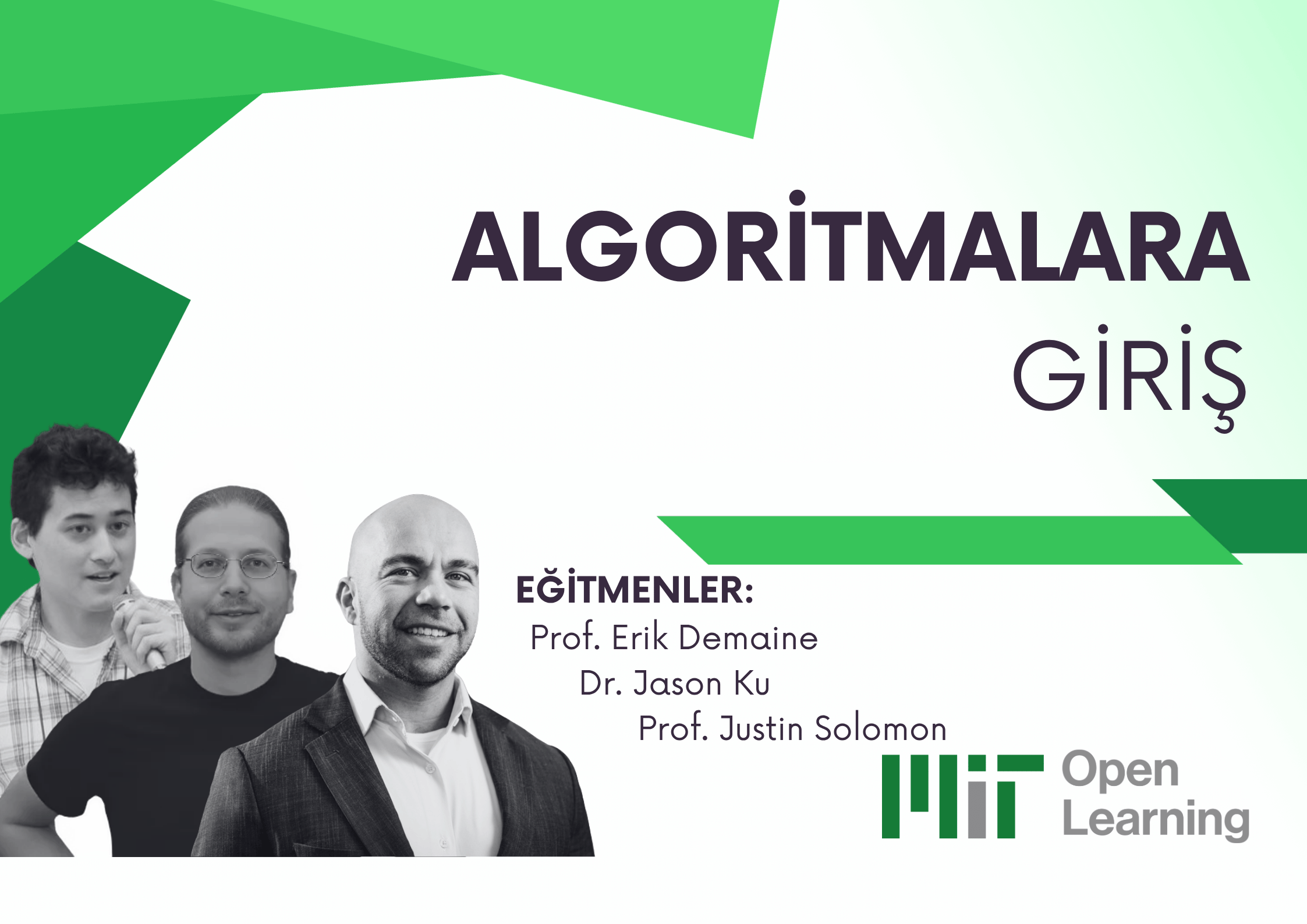 Algoritmalara GirişKişisel GelişimAlgoritmaların temellerini keşfedin; bu ders, problem çözmede verimliliği artırmak için gerekli analiz ve tasarım teknik...
726
312
Algoritmalara GirişKişisel GelişimAlgoritmaların temellerini keşfedin; bu ders, problem çözmede verimliliği artırmak için gerekli analiz ve tasarım teknik...
726
312
From Eduvence Courses?
-
 Learn at your own pace
Enjoy learning from home without a fixed schedule and with an easy-to-follow method.
-
 Get a front-row seat
With unlimited access, you can watch as many times as you need to perfect your technique.
-
 Watch professionally produced lessons
Eduvence carefully curates its instructor team to provide a high-quality, online learning experience.
-
 Learn from the best professionals
Learn valuable methods and techniques explained by top experts in the creative industry.
-
 Certificates
Receive a certified special certificate for each course. Share it in your portfolio, on social media, or anywhere you want.
-
 Share your knowledge and ideas
Ask questions, request feedback, or offer solutions. Share your learning experience with other students.