Blockchain and Money
 Indefinite Period
 Enroll Now
This course examines the transformation of the financial sector through cryptocurrencies and distributed ledger technologies from various perspectives
Introduction to Blockchain and Money
-
Course Description
Course Schedule
-
Curriculum
Course Videos
-
Session 1: Introduction
-
Session 2: Money, Ledgers, and Bitcoin
-
Session 3: Blockchain Basics & Cryptography
-
Session 4: Blockchain Basics and Consensus
-
Session 5: Blockchain Basics and Transactions, UTXO, and Script Code
-
Session 6: Smart Contracts and DApps
-
Session 7: Technical Challenges
-
Session 8: Public Policy
-
Session 9: Permissioned Systems
-
Session 10: Financial System Challenges and Opportunities
-
Session 11: Blockchain Economics
-
Session 12: Assessing Use Cases
-
Session 13: Payments
-
Session 14: Central Banks & Commercial Banking
-
Session 15: Secondary Markets and Crypto-Exchanges
-
Session 16: Primary Markets, ICOs, & Venture Capital
-
Session 17: Post Trade Clearing, Settlement, & Processing
-
Session 18: Trade Finance & Supply Chain
-
Session 19: Digital ID
-
Session 20: Conclusion
About The Course:
This course is designed for students who want to explore the transformative potential of blockchain technology on financial systems. The course begins with early applications such as Bitcoin and focuses on understanding the technical, commercial, and public-policy dimensions of distributed ledger technologies and smart contracts. Participants learn the fundamental building blocks of both open-source and permissioned blockchain systems.
In the advanced stages of the course, blockchain applications across the financial services sector are examined comprehensively—from payment systems to central banking, venture capital to secondary markets, trade finance to digital identity. In addition, regulatory frameworks related to cryptocurrency markets, ICOs, token types, and crypto derivatives are also covered.
This course provides a strategic learning pathway that offers both entrepreneurs and existing industry players a perspective on reshaping digital financial infrastructure.
Prerequisites:
There are no prerequisites for this course.
Instructor:
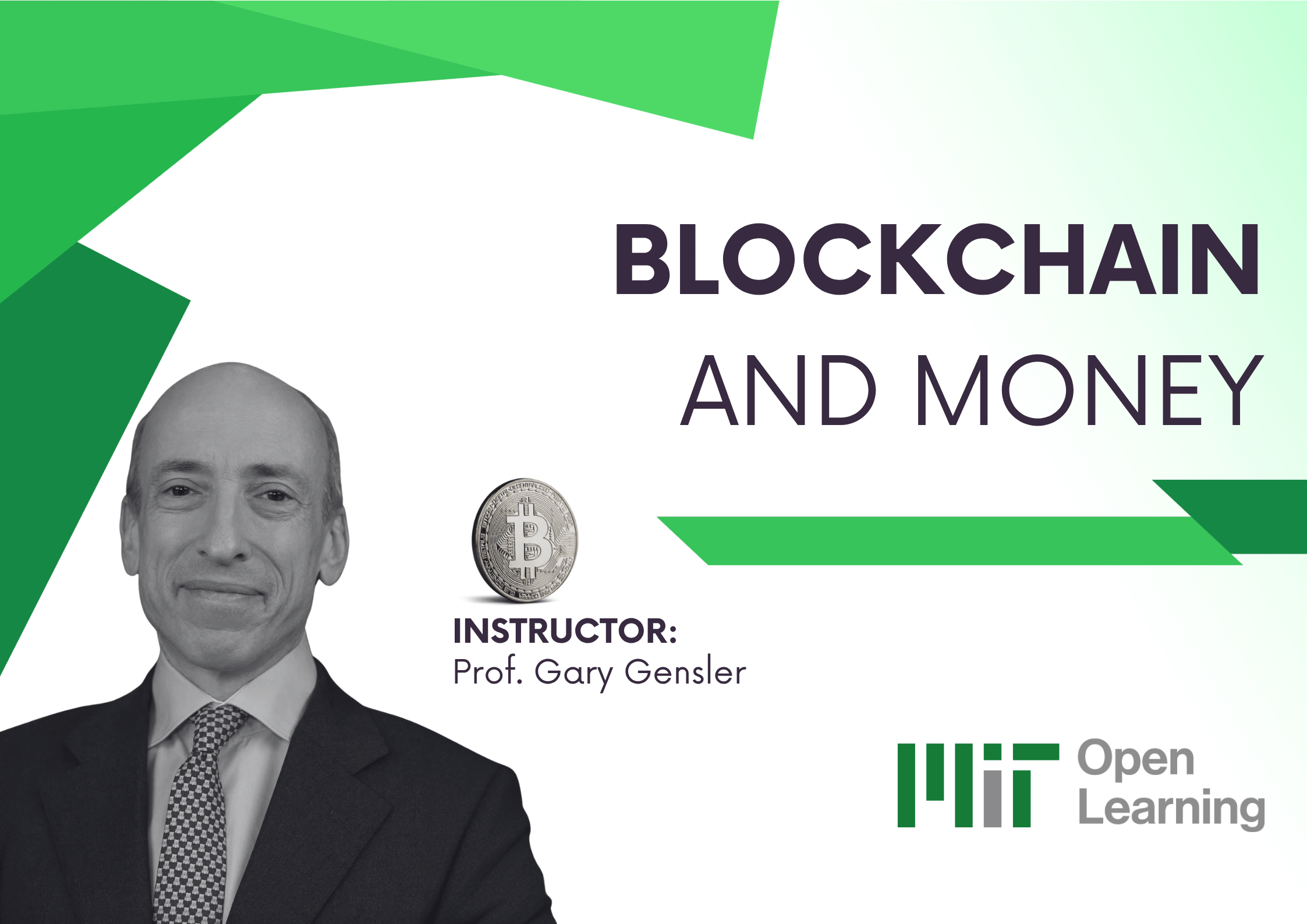
Prof. Gary Gensler is an American academic, policymaker, and finance expert. He currently serves as the Chair of the U.S. Securities and Exchange Commission (SEC).
Previously, he served as the Chair of the U.S. Commodity Futures Trading Commission (CFTC), and he is also a professor at the MIT Sloan School of Management, where he teaches courses on blockchain, digital currencies (cryptocurrencies), and financial technologies (FinTech).
He is widely regarded as one of the leading experts in crypto assets and blockchain technology. During his tenure as SEC Chair, he has been recognized for efforts to establish new regulatory frameworks aimed at enhancing market transparency and protecting investors.
-
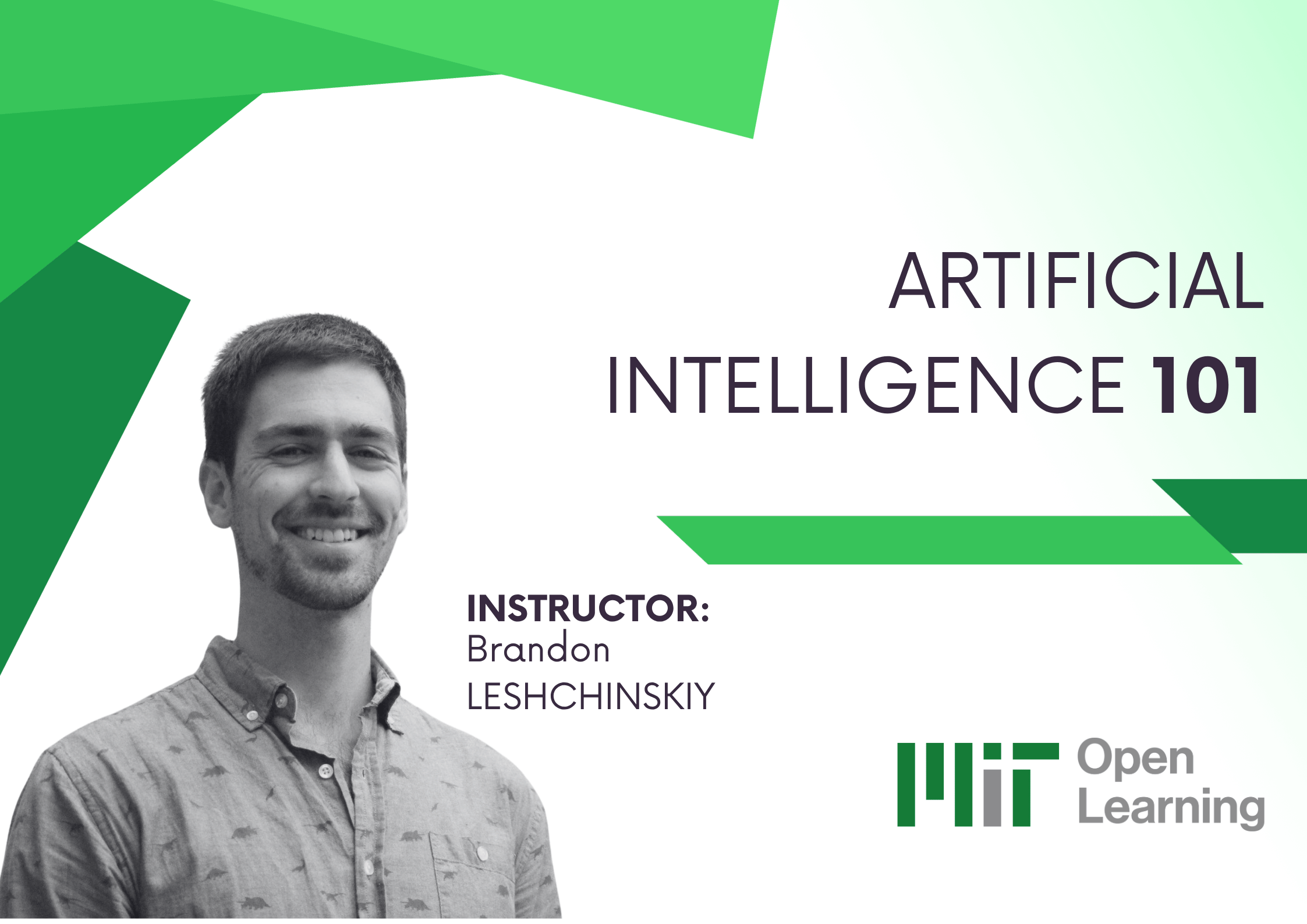 Artificial Intelligence 101Kişisel GelişimThis training is designed by MIT for technology-oriented individuals and focuses on the fundamentals of artificial intel...
 726
726
 312
312
-
 Yatırım Sözleşmeleri EğitimiKişisel GelişimYatırım Sözleşmeleri Eğitiminde, yatırım sözleşmelerinin temel unsurlarını, yatırımcı ile girişimci arasındaki hukuki sü...
726
312
Yatırım Sözleşmeleri EğitimiKişisel GelişimYatırım Sözleşmeleri Eğitiminde, yatırım sözleşmelerinin temel unsurlarını, yatırımcı ile girişimci arasındaki hukuki sü...
726
312
-
 Admin Testleri - 4Kişisel Gelişim
726
312
Admin Testleri - 4Kişisel Gelişim
726
312
From Eduvence Courses?
-
 Learn at your own pace
Enjoy learning from home without a fixed schedule and with an easy-to-follow method.
-
 Get a front-row seat
With unlimited access, you can watch as many times as you need to perfect your technique.
-
 Watch professionally produced lessons
Eduvence carefully curates its instructor team to provide a high-quality, online learning experience.
-
 Learn from the best professionals
Learn valuable methods and techniques explained by top experts in the creative industry.
-
 Certificates
Receive a certified special certificate for each course. Share it in your portfolio, on social media, or anywhere you want.
-
 Share your knowledge and ideas
Ask questions, request feedback, or offer solutions. Share your learning experience with other students.