Risk and Decision Analysis
 Indefinite Period
 Enroll Now
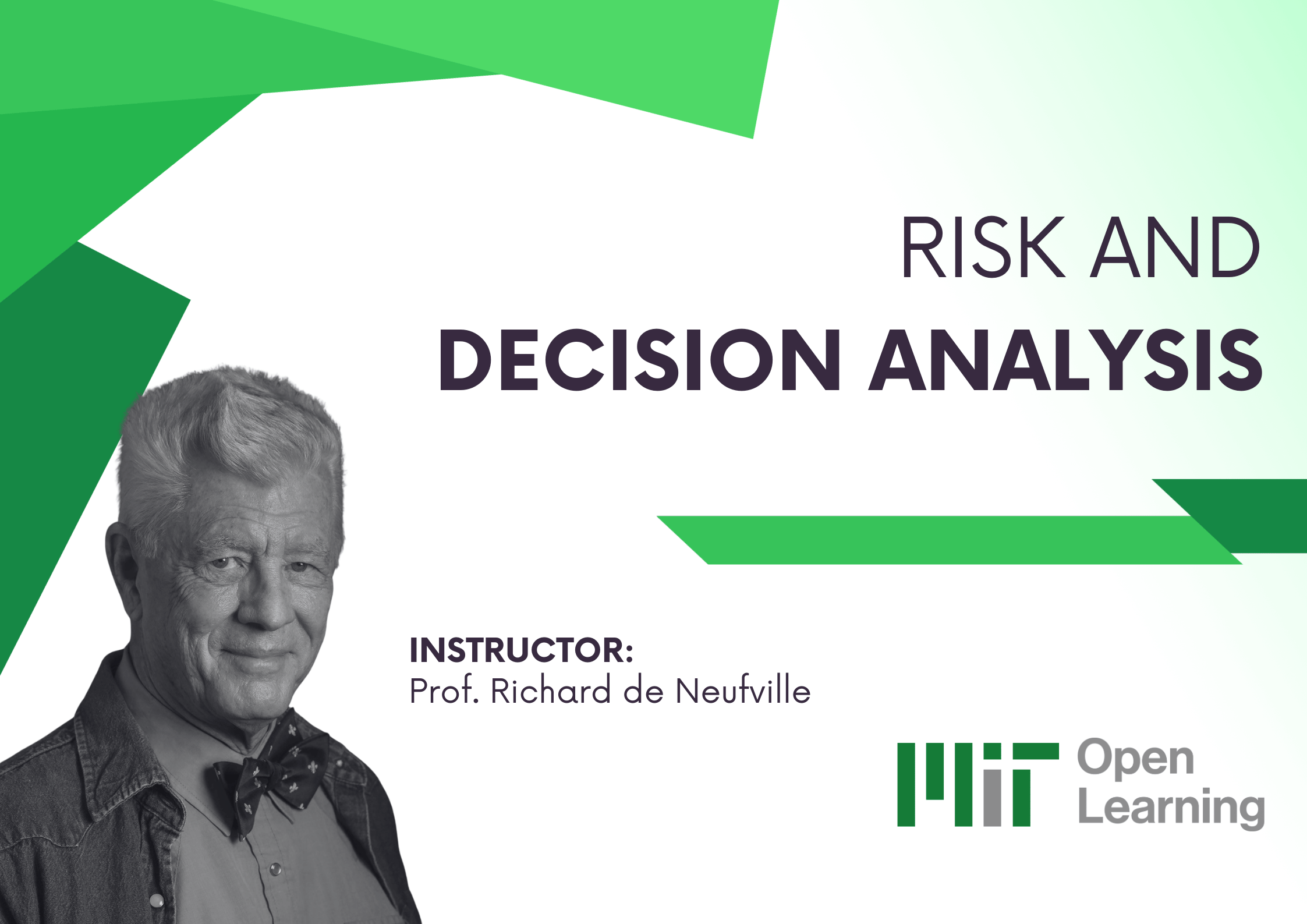

The course teaches how to make engineering decisions under uncertainty and aims to develop solutions using DCF analyses and simulation techniques.
Introduction to Risk and Decision Analysis
-
Course Description
Course Schedule
-
Curriculum
Course Videos
-
Unit 2: The Forecast is “Always” Wrong
-
Unit 4: Parking Garage Case
-
Unit 5: Mechanics of Simulation
-
Unit 7: Drivers of Flexibility
-
Unit 8: Decision Analysis
-
Unit 9: Value of Information
-
Unit 10: Utility Analysis and Multidimensional Evaluation
-
Unit 11: De-Salt and LNG Cases
About This Course:
This course offers an interdisciplinary education designed to develop the ability to manage uncertainty in the fields of engineering and system design. It teaches students how to effectively analyze uncertainty factors—such as demand, cost, requirements, and technological variability—within engineering decision-making processes.
The core approach of the course is to equip students with the capability to evaluate outcomes across different scenarios by using Discounted Cash Flow (DCF) analyses, simulation methods, and decision analysis tools.
Students learn to understand, analyze, and manage risks encountered in systematic decision-making processes, while also gaining an in-depth understanding of the concept of flexibility aimed at improving decision quality.
The learning experience is supported by a flipped classroom model, which enhances students’ preparedness for class sessions and strengthens conceptual understanding through interactive discussions.
Prerequisites:
There are no prerequisites for this course.
Instructor:
Prof. Richard de Neufville is a Professor of Engineering Systems and Civil & Environmental Engineering at MIT. He is one of the world’s leading scholars in decision-making under uncertainty, system design, and flexibility analysis. He notably developed the “real options” approach in engineering and emphasized the concept of strategic flexibility to enable systems to adapt to uncertain future conditions.
Founder of MIT’s Technology and Policy Program, de Neufville has participated in international projects related to airport planning, infrastructure systems, and risk-based engineering design, and has successfully applied the flipped classroom model in education. His major works include Flexibility in Engineering Design (MIT Press, 2011) and Applied Systems Analysis (McGraw-Hill, 1990).
In recognition of his academic achievements, he has been awarded Guggenheim and Fulbright Fellowships, France’s Palmes Académiques, and an honorary doctorate from Delft University. With hundreds of academic publications and thousands of citations, de Neufville continues to teach and provide consultancy worldwide in the field of systems engineering.
-
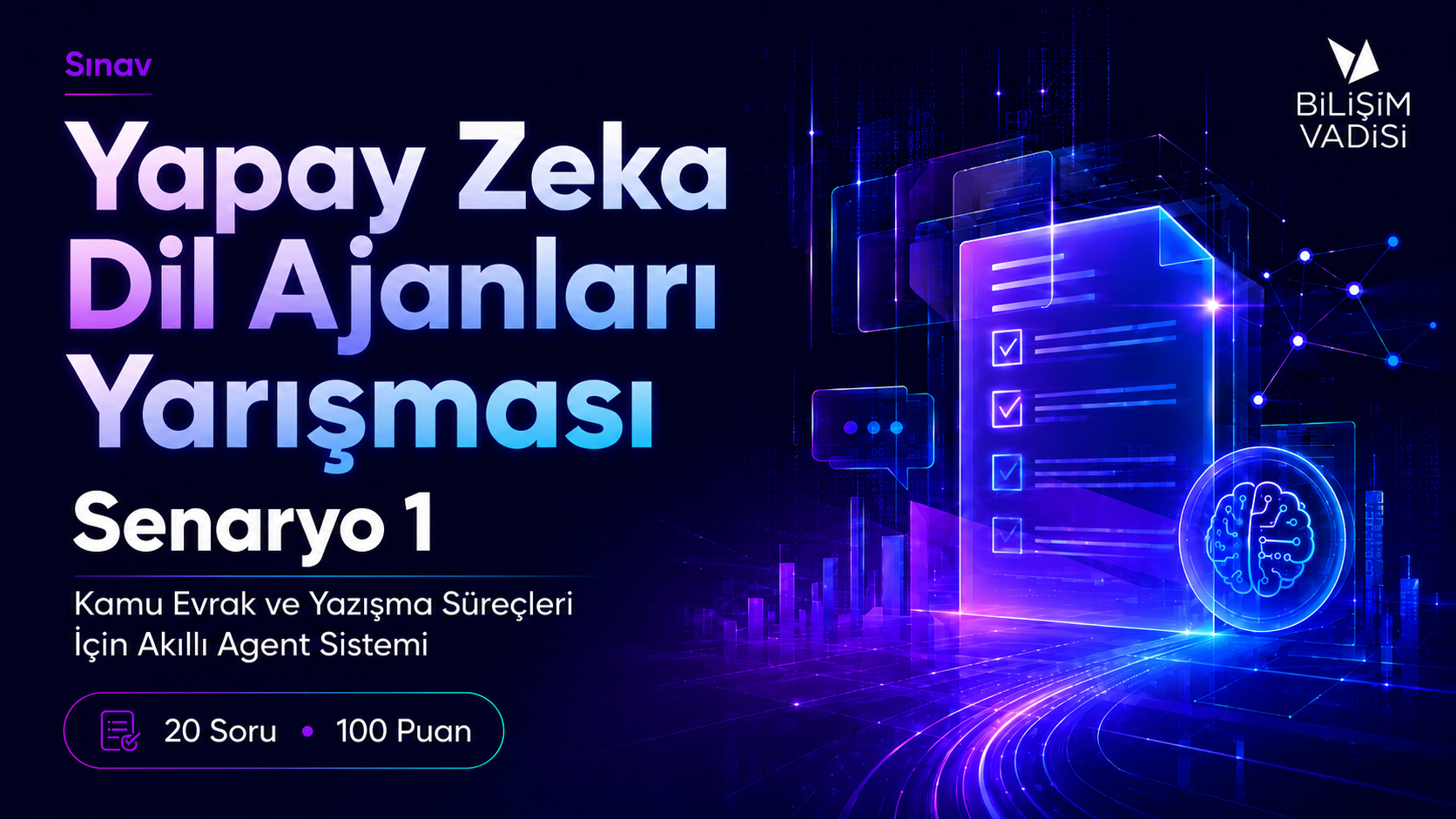 AdminTestler6Kişisel GelişimBu sınav, kamu evrak süreçleri için akıllı agent sistemi senaryosunu değerlendirmeye yöneliktir.
 726
726
 312
312
-
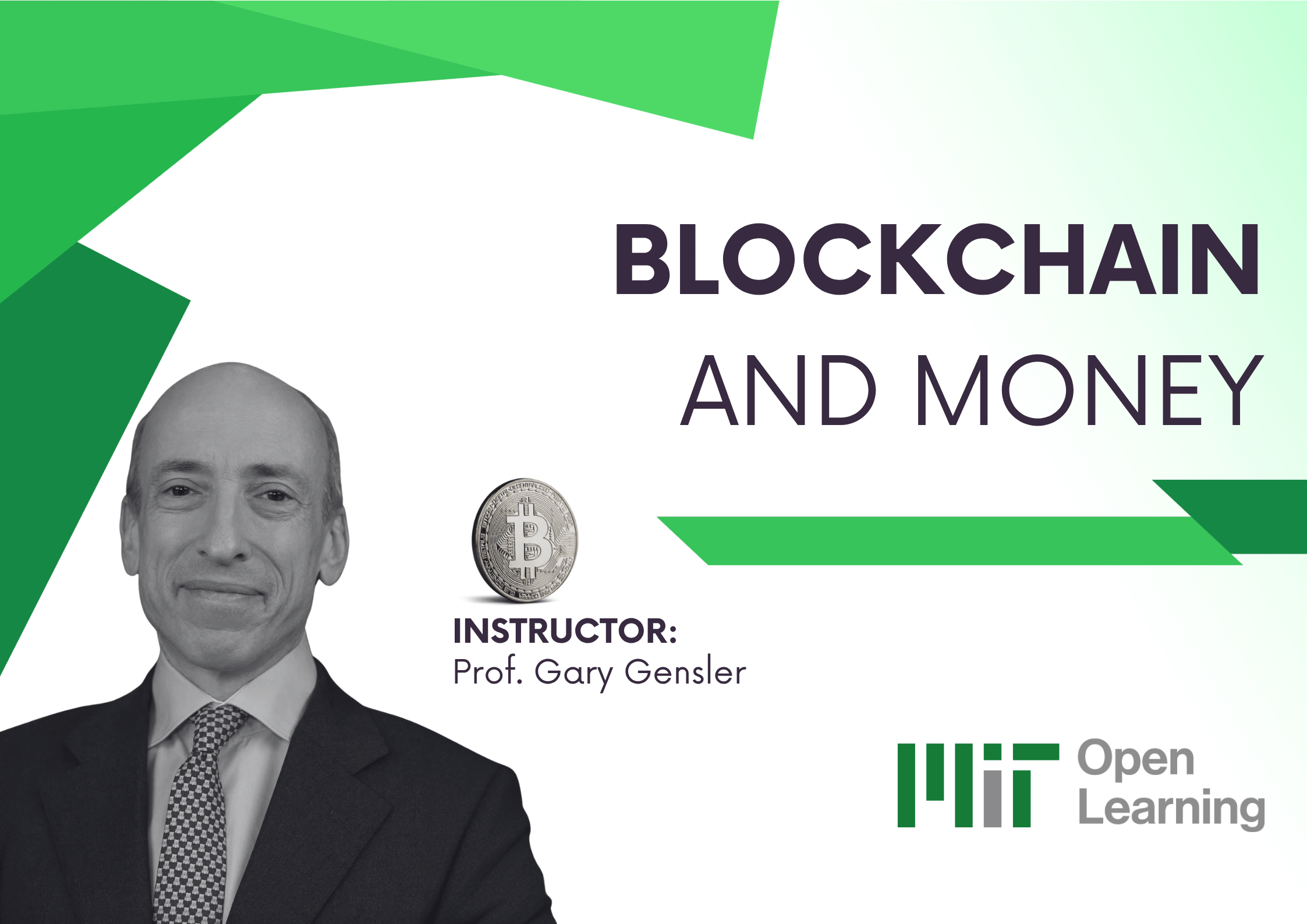 Blockchain and MoneyKişisel GelişimThis course examines the transformation of the financial sector through cryptocurrencies and distributed ledger technolo...
726
312
Blockchain and MoneyKişisel GelişimThis course examines the transformation of the financial sector through cryptocurrencies and distributed ledger technolo...
726
312
-
 2. Temel ModellemeKişisel Gelişim
726
312
2. Temel ModellemeKişisel Gelişim
726
312
From Eduvence Courses?
-
 Learn at your own pace
Enjoy learning from home without a fixed schedule and with an easy-to-follow method.
-
 Get a front-row seat
With unlimited access, you can watch as many times as you need to perfect your technique.
-
 Watch professionally produced lessons
Eduvence carefully curates its instructor team to provide a high-quality, online learning experience.
-
 Learn from the best professionals
Learn valuable methods and techniques explained by top experts in the creative industry.
-
 Certificates
Receive a certified special certificate for each course. Share it in your portfolio, on social media, or anywhere you want.
-
 Share your knowledge and ideas
Ask questions, request feedback, or offer solutions. Share your learning experience with other students.